
Peripheral Neuromodulation SIS BTL in Recife
Intrador offers peripheral neuromodulation with SIS BTL technology (Supramaximal Magnetic Stimulation) for treatment of neuropathic pain and functional rehabilitation in Recife.
What is Peripheral Neuromodulation?
Peripheral neuromodulation is a non-invasive therapeutic technique using high-intensity magnetic fields to stimulate peripheral nerves and muscles. SIS BTL technology (Super Inductive System) generates up to 2.5 Tesla, penetrating deeply into tissues without direct skin contact.
Mechanism of action: Supramaximal magnetic stimulation depolarizes peripheral neurons, modulating pain signal transmission and promoting involuntary muscle contraction that strengthens musculature without joint overload.
Indications for Neuromodulation
Neuropathic Pain
- Diabetic peripheral neuropathy
- Post-herpetic neuralgia
- Complex regional pain syndrome
- Post-surgical neuropathic pain
Functional Rehabilitation
- Quadriceps strengthening (knee)
- Rotator cuff rehabilitation (shoulder)
- Core strengthening (lumbar)
- Post-sports injury recovery
Benefits of SIS BTL Neuromodulation
Non-Invasive
No needles, no pain, no anesthesia. Comfortable and safe treatment.
Deep Penetration
Reaches tissues up to 8cm deep, including deep nerves.
No Recovery Time
Immediate return to normal activities after session.
Legal notice
Advanced therapies require careful medical evaluation, individualized indication, and monitoring when needed. Benefits, risks, and contraindications should be discussed in consultation.
Frequently Asked Questions
What is peripheral neuromodulation?
Peripheral neuromodulation is a non-invasive technique using supramaximal magnetic stimulation to modulate peripheral nervous system activity, reducing neuropathic pain and promoting functional muscle rehabilitation.
Does neuromodulation work for chronic pain?
Yes. Peripheral neuromodulation has robust scientific evidence for treating neuropathic pain, chronic low back pain, fibromyalgia, and post-injury rehabilitation. It is especially effective when combined with other therapeutic modalities.
How many sessions are needed?
The typical protocol consists of 8-12 sessions, 2-3 times per week. Each session lasts 20-30 minutes. Improvement is usually noticeable after 4-6 sessions. Monthly maintenance sessions may be needed for chronic pain.
Does neuromodulation have side effects?
Peripheral neuromodulation is safe and non-invasive, without significant side effects. Some patients may feel mild muscle discomfort in the first sessions, similar to post-workout. There are no absolute contraindications except metal implants in the treated area.
Talk with our team
SIS BTL technology for neuropathic pain and functional rehabilitation in Recife.
Pina Unit
Clinical Center Karla Patrícia, Av. Eng. Domingos Ferreira, 636 - Ground floor - Store 17 - Pina, Recife - PE, ZIP 51011-050
+55 (81) 3090-6003Aflitos Unit
Av. Conselheiro Rosa e Silva, 1206, Room 706 - Espinheiro, Recife - PE, ZIP 52020-220
+55 (81) 3072-9816Service hours: Monday to Friday, 8am to 6pm
Clinically Reviewed by:
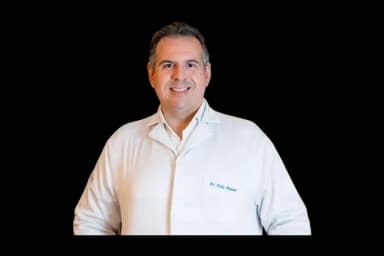
Dr. Helio Widson Alves Pinheiro
Pain Medicine, Acupuncture
CRM/PE 21167 | RQE 2217, 2808
Published on: January 17, 2026
Reviewed on: January 29, 2026
This content is informative and does not replace individual medical evaluation.
See full credentials
Physician specializing in Acupuncture and Pain treatment, and Technical Manager of Intrador's two units. Graduated in Medicine from the Federal University of Pernambuco (UFPE) in 2007, he holds a Specialist Title in Acupuncture and a Certificate in Pain, both recognized by the Brazilian Medical Association (AMB).
Note: This content is for educational and informational purposes only. The information is based on scientific evidence and the clinical practice of the Intrador team, but it does not replace individualized medical evaluation. Conduct, indications, and treatments must be defined after medical consultation.
Clinical reviewer: Dr. Helio Widson Alves Pinheiro · Pain Medicine | Acupuncture · CRM/PE 21167 | RQE 2217, 2808
View full profile →